Storm damaged roof flashing repair means inspecting the roof after wind, heavy rain or falling debris and then re-securing, replacing or sealing flashing that has lifted, bent or torn. It also involves documenting damage for insurance. It is a seasonal need in roof flashing repair in Folsom.
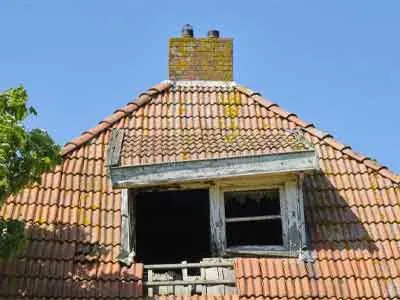
What storm damaged roof flashing repair involves
Flashing is thin metal held by fasteners and sealant, so it is vulnerable to wind uplift, falling limbs and sudden temperature swings. Even when shingles look intact, flashing at chimneys, valleys and edges may have lifted or loosened. After a storm, a quick inspection finds problems before the next rain.
A provider will look for lifted metal, displaced flashing, bent drip edge, torn boots and debris that blocks valleys. They can recommend a temporary measure if rain is coming, as described in emergency roof flashing repair, and a permanent fix once the roof is dry. Storm damage can also overlap with insurance claims, so photographs and written findings help.
Common problems this repair solves
- Flashing lifted or torn by strong winds
- Limbs or debris striking chimneys and vents
- Drip edge bent or displaced
- Valley metal clogged or dented
- Boots and vent flashing cracked by debris
Signs you may need storm damaged roof flashing repair
- Metal visible lifted or hanging at roof edges
- Bent chimney or wall flashing
- New stains after the storm
- Debris piled in valleys or against chimneys
- Shingles displaced near flashing
How the repair process works
- Stay safe and document. Photograph damage from the ground and inside the home, and avoid climbing on the roof.
- Professional inspection. A provider inspects all flashing details and notes storm-related damage.
- Temporary or permanent repair. Loose metal is re-secured or replaced, with temporary protection if rain is forecast.
- Provide records. Ask for written findings and photos to support any insurance claim.
What a good repair achieves
- Finds hidden flashing damage before the next rain
- Creates a record for insurance conversations
- Prevents small storm damage from becoming a leak
A safe, ground-level inspection after a storm
You can learn a lot without leaving the ground. Walk around the house in daylight, with binoculars if you have them, and look for the following.
- Metal that is lifted, bent or hanging at chimneys, walls, vents and roof edges
- Shingles that are missing or displaced near any metal
- Branches or debris resting on the roof or in valleys
- Dents or bright scratches in drip edge or gutters
- New stains on ceilings or walls inside, especially near chimneys and exterior walls
Never climb a wet roof or a roof with an unknown amount of damage. Take clear photos from several angles and note the date and time.
Documenting damage for an insurance claim
Insurers generally want to see that the damage is storm-related and recent. Keep photos of the damage, any temporary repairs and receipts, and a written note of the storm date. Ask the roofer for a written inspection report that describes the flashing damage and its likely cause.
Read your policy for the deductible and for any time limit on reporting storm damage. Coverage varies, and an adjuster makes the final decision. A roofer can document damage, but should not promise that a claim will be approved.
Spotting storm-chaser red flags
After a big storm, door-to-door sales tactics increase. A trustworthy roofer will give you time, a written scope and a license number you can verify. Warning signs include pressure to sign the same day, requests to sign over an insurance check, a large deposit, a contractor who has no local address, or an offer to waive your deductible.
Check the license on the California Contractors State License Board website, ask for proof of insurance and compare at least two written scopes. California also limits down payments on most home-improvement contracts, so a request for a big up-front payment is worth questioning.
Storm Damaged Roof Flashing Repair in Folsom: local considerations
Folsom's heaviest rain arrives in the cooler months, and strong storms can follow the long dry summer. Wherever mature trees overhang a roof, such as in parts of American River Canyon, limb and debris impact is more likely.
After a storm, door-to-door roofers sometimes appear. Verify any contractor's license on the CSLB site before you sign anything. For a general check, see roof flashing leak repair or the flashing repair in Folsom homepage.
Cost considerations
Storm repair costs depend on the extent of the damage, how many details are affected, access and whether temporary protection is needed. Insurance may cover part of the cost depending on your policy and deductible. Prices vary by job.
California limits down payments on most home-improvement contracts, so be wary of any contractor asking for a large deposit up front.
When to call a professional
Call a professional after any significant storm, even if you see no leak. Roof damage is hard to spot from the ground, and climbing a wet or damaged roof is dangerous.
Storm Damaged Roof Flashing Repair FAQs
Will insurance cover storm flashing damage?
Possibly. Coverage depends on your policy. Ask your insurer and keep photos and written findings.
Should I hire the first roofer who knocks on my door after a storm?
No. Verify the CSLB license, ask for a written scope and avoid large deposits.
Can minor flashing damage wait?
It can turn into a leak with the next rain, so get it inspected soon.