Roof flashing replacement means removing old, failed flashing and installing new metal at chimneys, walls, valleys, vents and edges, tied properly into the roof layers. It makes sense when metal is rusted through, was installed incorrectly or has been patched repeatedly. It is the long-term counterpart to roof flashing repair in Folsom, CA.
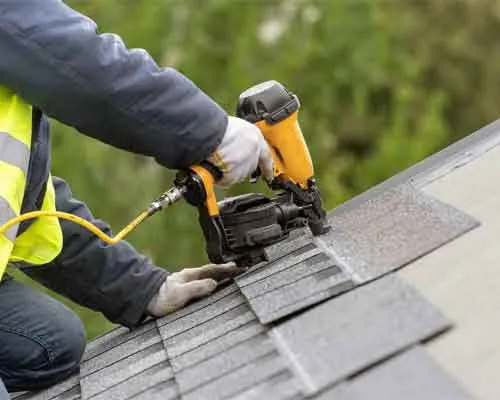
What roof flashing replacement involves
A repair fixes a specific failure. A replacement resets the whole detail. Replacing is usually the better route when the metal has rusted, when pieces are the wrong type or length, when old sealant has built up in layers, or when the same joint has leaked after several patches. It is also standard practice to replace flashing whenever the roof covering is replaced, since new shingles over old flashing shorten the repair's life.
Replacement can be targeted, such as new chimney flashing and valley flashing only, or roof-wide. A good provider will explain which pieces are worth replacing now, which can wait and which materials, such as galvanized steel, aluminum or copper, suit your roof and avoid corrosion between dissimilar metals.
Common problems this repair solves
- Rusted-through or deformed flashing
- Layers of old sealant hiding the real failure
- Incorrect flashing types for the detail
- Flashing left in place beneath a new roof covering
- Repeated leaks at the same location after patching
Signs you may need roof flashing replacement
- The same spot leaks after multiple repairs
- Visible rust or holes in metal at chimneys, walls or valleys
- Flashing that is bent, lifted or loose
- A roof near the end of its life with original flashing
- Interior stains in several different areas near roof joints
How the repair process works
- Assess the whole roof. The provider inspects every flashing detail and recommends what to replace now and what can wait.
- Remove failed flashing. Shingles around each detail are lifted and the old metal and sealant are removed.
- Install new flashing. Fresh metal is fitted in the correct order, with underlayment and shingles layered to shed water.
- Final check. Each detail is reviewed and the roof is cleaned of debris and old fasteners.
What a good repair achieves
- A longer-lasting fix than repeated patching
- Better protection for the roof deck and framing
- Cleaner, correctly detailed joints that are easier to maintain
Repair or replace? A practical decision guide
The honest answer depends on the condition of the metal, not on how old the roof is. Use this as a first pass.
| What the roofer finds | Usually points to |
|---|---|
| Metal sound, sealant dried or cracked | Repair: clean, re-seal and re-fasten |
| Surface rust only, metal still solid | Repair, possibly with new counter flashing |
| Holes, deep rust, or metal that crumbles | Replace that piece |
| Wrong type or too short for the detail | Replace with the correct flashing |
| Several details failing on a roof near the end of its life | Replace all flashing, ideally with a re-roof |
| Same joint leaks after two or more patches | Replace, since the base problem has not been fixed |
A good roofer will show you photos of what they found and explain why they recommend one path over the other. Be wary of a recommendation to replace everything without any evidence, and equally wary of a patch on metal that is clearly failing.
Flashing metals compared
| Metal | Strengths | Trade-offs |
|---|---|---|
| Galvanized steel | Strong, widely available, economical | Can rust if the coating is scratched or cut |
| Aluminum | Light, easy to shape, does not rust | Dents easily, can corrode against masonry or wet mortar if unprotected |
| Copper | Very long-lasting, develops a stable patina | Highest cost, runoff can stain or corrode other metals |
| Stainless steel | Highly corrosion resistant | Harder to form, higher cost |
| Lead-coated or lead | Very flexible, molds to odd shapes | Weight, cost, and handling concerns; not suited to every setting |
Match the metal to the roof and the neighbors it will touch. A mix of copper and aluminum on the same roof, for instance, is a common source of corrosion. Ask the roofer to name the metal for each flashing item in the quote.
Coordinating flashing replacement with a re-roof
If a new roof covering is already planned, flashing replacement is the most efficient time to do it, since the shingles around each detail are already coming off. Ask that the contract list each flashing location and state whether the metal is new or reused. It is also worth checking whether your shingle manufacturer's warranty requires specific flashing practices.
If you are not re-roofing yet, targeted replacement is still fine. A roofer can lift the shingles around a chimney or valley, install new metal, and blend the shingles back, extending the life of the roof and often delaying a full replacement.
Roof Flashing Replacement in Folsom: local considerations
In Folsom, roofs built in the 1990s, including many in Natoma Station and Prairie Oaks, are old enough that original flashing may be near the end of its life. If you are considering a full roof replacement, ask about flashing as part of the scope rather than as an afterthought.
For one-off problems, roof flashing leak repair may be enough. Our flashing repair in Folsom page explains how to decide between repair and replacement.
Cost considerations
Replacement cost depends on how many flashing details you have, the metal chosen, roof pitch, access and whether shingles must be replaced around each detail. Copper costs more than galvanized or aluminum. Prices vary by job.
Ask whether flashing replacement is bundled with a re-roof or priced separately. Comparing apples to apples is easier when each detail is listed.
When to call a professional
Call a professional because replacement involves lifting roofing materials around penetrations and re-layering them. Mistakes can void shingle warranties and cause new leaks.
Roof Flashing Replacement FAQs
Should flashing be replaced when the roof is replaced?
Generally yes for any flashing that is worn or reusable only with risk. Ask the provider to explain what they will replace.
What metal is best for flashing?
Galvanized steel and aluminum are common; copper lasts longest but costs more. Match metals to avoid corrosion.
How do I know if repair or replacement is better?
If the metal is sound and only sealant failed, repair may work. Rust, deformation or repeated leaks point to replacement.